
Are Current Trends in IPL Drop Catches Reflective of Lower Fielding Standards or Increased Athlete Agility?

The Indian Premier League (IPL) has long been a stage where cricketing excellence shines, especially in fielding. Yet, recent seasons have seen a noticeable rise in drop catches and fielding errors that have influenced match outcomes. This trend has sparked debate among fans, analysts, and players alike. Are these drop catches a sign of declining fielding standards and skill levels? Or do they reflect a new reality where players’ enhanced athleticism allows them to reach balls that were previously out of reach, thus creating more challenging chances? This post explores these questions by examining current trends in professional cricket fielding, focusing on the IPL.

The Rise in Drop Catches: What the Numbers Say
In recent IPL seasons, statistics reveal an increase in the number of dropped catches compared to previous years. For example, during the 2023 IPL season, the average number of drop catches per match rose by approximately 15% compared to the 2018-2020 period. This increase has had tangible effects on match results, with several games swinging in favor of teams benefiting from these missed opportunities.
Several factors contribute to this rise:
More difficult catches: Fielders are attempting catches that require extraordinary athleticism.
Pressure situations: The high stakes of IPL matches can affect concentration.
Changing fielding positions: Teams are experimenting with aggressive field placements, increasing the difficulty of catches.
This data challenges the simplistic view that drop catches are solely due to lower skill levels.
Athleticism and Fielding: A New Era of Player Expectations
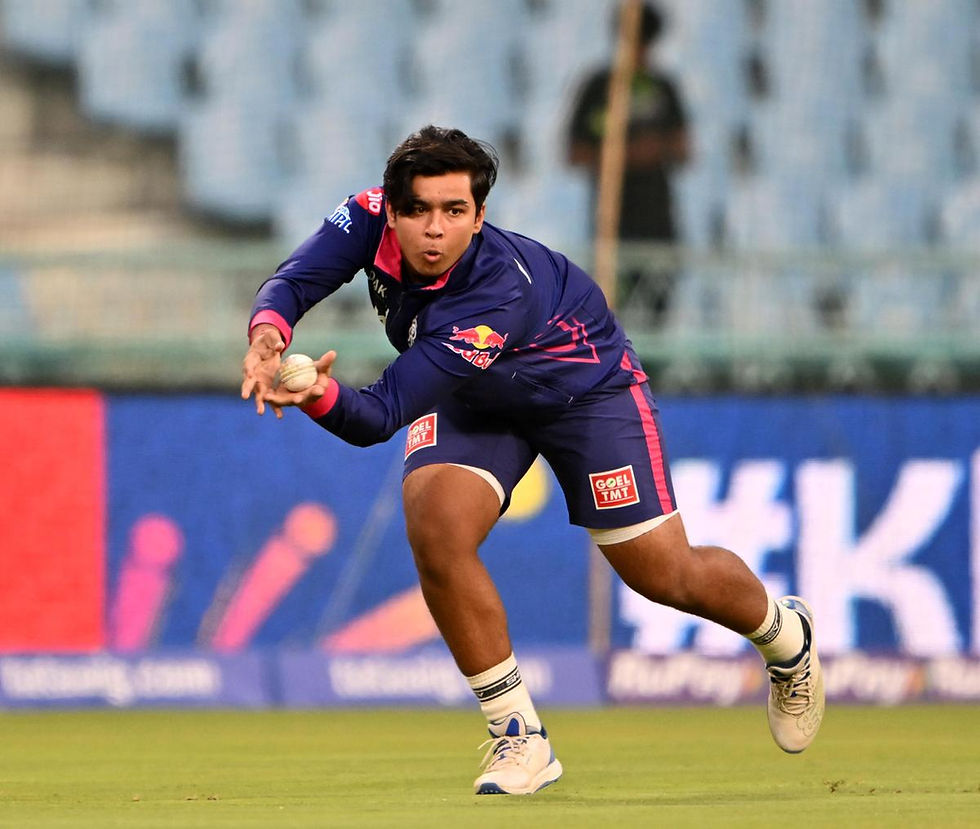
Modern cricketers are faster and more athletic than ever before. Training programmes are tailored to the indivdual needs of the players, placing a huge emphasis on elastic speed qualities, power output and agility, that bridges the gap between the field. This evolution has expanded the range of what fielders can attempt on the field.
Extended reach: Players can cover more ground quickly, diving, sliding and rolling to intercept balls that would have been boundaries in the past.
Increased attempts: More chances are created because fielders are willing to go for difficult catches, this is now an expectation.
Risk vs. reward: Teams accept the risk of drop catches in exchange for saving runs or taking spectacular catches.
This shift means that while the number of drop catches might rise, it also reflects a higher overall standard of fielding effort and athleticism.
Skill Levels and Compliance: Are Standards Really Falling?
Critics argue that some drop catches stem from complacency or lack of focus, suggesting a drop in fielding standards. However, IPL teams invest heavily in coaching and fielding provision. The presence of international fielding coaches and video analysis tools helps players refine their skills continuously.
Technical errors: Some drops are due to minor technical mistakes, such as poor head and hand positioning and footwork timing.
Mental lapses: Pressure and fatigue can cause momentary loss of concentration.
Compliance with fielding protocols: Teams emphasize strict adherence to fielding rules and positioning, which has generally improved.
Overall, the evidence suggests that while occasional lapses occur, the baseline skill level remains high. The increase in drop catches is not primarily due to declining standards but other factors.
Examples from Recent IPL Matches
Several high-profile matches illustrate the complexity of this issue:
In a 2023 match between Mumbai Indians and Chennai Super Kings, a spectacular diving attempt by a Mumbai fielder resulted in a drop. The catch was difficult, requiring full extension near the boundary. Analysts praised the effort despite the drop, noting that such chances were rare in earlier IPL seasons.
CSK vs PBKS — CSK dropped Priyansh Arya early; he went on to score a century and PBKS won.
CSK vs RCB — Rajat Patidar was dropped on 18 and made a match-winning fifty.
RR vs RCB (Jaipur) — a match infamous for multiple dropped catches; Jaipur had more drops than completed catches at one stage of the season.
PBKS vs SRH — PBKS dropped key chances including Heinrich Klaasen; SRH piled up 235 and won comfortably.
Several LSG, DC, and CSK defeats were publicly blamed by captains/coaches on dropped catches or missed run-outs.
These examples show that drop catches arise from a mix of increased difficulty, pressure, and occasional errors.
The Impact of Fielding on Match Outcomes
Fielding can change the course of a cricket match. A single dropped catch can allow a batsman to score crucial runs, shifting momentum. Conversely, a spectacular catch can energize a team and crowd.
Teams with strong fielding units often save 10-20 runs per match through ground fielding and catching.
The rise in drop catches means teams must balance aggression with caution.
Captains and coaches now emphasize player accountability, team unit coheasion and focus to reduce errors.
Understanding this balance is key to appreciating the evolving nature of fielding in the IPL.

What Can Teams Do to Improve Fielding Performance?
To address the increase in drop catches, teams can focus on several areas:
Mentally prepare: Techniques to improve concentration and handle pressure, especially in hostile environments and stadiums.
Targeted drills: Practice sessions focusing on catching technique, position specific demands and external pressures used (time).
Data analysis: Using video and statistics to identify patterns and weaknesses.
Athletic development: Continued emphasis on being the best possible athlete!
These steps can help players convert more chances and maintain high fielding standards.
Looking Ahead: The Future of Fielding in Professional Cricket
As cricket evolves, we see batters striking the ball at greater exit speeds, therefore fielding will remain a critical component of success in hjelping stop critical runs . The trend toward greater athleticism will likely continue, pushing players to attempt even more challenging catches. This will naturally lead to some increase in drop catches but also raise the overall excitement and quality of the game. Context is therefore important with every statistic thrown out there.


Comments